| Model | Yamaha YZ450F |
| Year | 2010 |
| Category | Motocross |
| Engine Type | Liquid-cooled, 4-stroke, DOHC, 4-valve single-cylinder with rearward-slanted cylinder |
| Weight | 111 kg wet (with oil and full fuel tank) |
| Displacement | 449 cc |
| Bore x Stroke | 97.0 x 60.8 mm |
| Compression Ratio | 12.5:1 |
| Fuel System | Keihin electronic fuel injection, 44 mm throttle body |
| Ignition | TCI / ECU-controlled digital ignition |
| Spark Plug | NGK LMAR9E-J |
| Spark Plug Gap | 0.7-0.8 mm (0.028-0.031 in) |
| Cooling System | Liquid cooled |
| Starting System | Kick starter with automatic decompression |
| Transmission | 5-speed constant-mesh |
| Clutch | Wet multi-plate |
| Final Drive | Chain, 13-tooth front / 48-tooth rear sprocket |
| Overall Length | 2,192 mm |
| Overall Width | 825 mm |
| Overall Height | 1,310 mm |
| Wheelbase | 1,487 mm |
| Ground Clearance | 383 mm |
| Seat Height | 998 mm |
| Fuel Capacity | 6.0 L |
| Frame | Aluminium bilateral-beam frame, completely redesigned for 2010 |
| Front Tyre | 80/100-21 51M, tube type | Tyre Size Guide |
| Rear Tyre | 120/80-19 63M, tube type | Tyre Size Guide |
| Front Suspension | 48 mm KYB inverted Speed Sensitive System twin-chamber fork, adjustable compression and rebound damping | Fork Oil Levels |
| Front Suspension Travel | 310 mm (12.2 in) |
| Rear Suspension | Link-type Monocross with KYB piggyback gas/oil shock, adjustable preload, high-/low-speed compression and rebound damping |
| Rear Suspension Travel | 315 mm (12.4 in) |
| Fork Oil | Yamaha Suspension Oil S1; KYB twin-chamber fork with separate damper and outer-chamber oil. Standard outer chamber approximately 350 cc per fork; follow the model-specific bleeding and filling procedure during service. |
| Front Brake | Hydraulic single disc, 250 mm |
| Rear Brake | Hydraulic single disc, 245 mm |
| Front Wheel Size | 21 x 1.60 in aluminium spoked wheel |
| Rear Wheel Size | 19 x 2.15 in aluminium spoked wheel |
| Fuel Type | Premium unleaded petrol, minimum 95 RON recommended |
| Premix Information | Not applicable - 4-stroke engine |
| Gearbox Oil | Engine and transmission share the same engine oil supply; approximately 0.95 L periodic oil change, 1.0 L with oil filter replacement and 1.2 L total capacity. Use JASO MA motorcycle oil of the recommended viscosity. |
| Air Filter | Wet-type foam element, relocated to front/top of fuel tank area for the reversed-engine layout |
| Service Notes | 2010 introduced fuel injection, a four-valve cylinder head, rearward-slanted cylinder and reversed intake/exhaust layout. Maintain frequent oil and filter changes, inspect valve clearance regularly, keep the foam air filter clean and correctly oiled, and keep the EFI throttle body, injector and electrical connections clean and secure. |
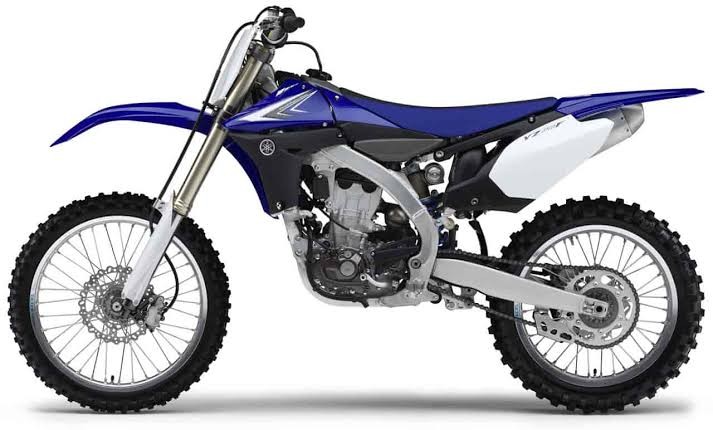
The 2010 Yamaha YZ450F was one of the biggest redesigns in the model's history. Yamaha abandoned the conventional engine layout used by every previous YZ450F and introduced a rearward-slanted cylinder, reversed cylinder head, electronic fuel injection and a completely redesigned aluminium chassis. It was not an incremental update; virtually every major system was reconsidered around Yamaha's goal of concentrating mass near the centre of the motorcycle.
The most striking change was the engine layout. Instead of placing the intake behind the cylinder and the exhaust at the front, Yamaha turned the arrangement around. Fresh air entered from the front of the motorcycle through a nearly straight intake tract, while the exhaust exited from the rear of the cylinder head and curled around before reaching the silencer. The cylinder itself was tilted rearward, allowing the crankshaft and rotating mass to be positioned closer to the bike's overall centre of gravity.
The engine was also substantially new internally. Capacity remained 449 cc, but bore and stroke changed to 97.0 x 60.8 mm, creating a more oversquare design than the previous 95.0 x 63.4 mm engine. Yamaha replaced its long-running five-valve cylinder head with a four-valve DOHC design and retained a high 12.5:1 compression ratio. The layout was intended to produce strong power while reducing the effect of engine mass on handling.
Another major milestone was electronic fuel injection. The familiar Keihin FCR carburettor disappeared after years of service, replaced by a 44 mm throttle body, injector and ECU. Fuel delivery could now be adjusted electronically for engine speed, throttle position and operating conditions. The EFI system also made Yamaha's accessory Power Tuner possible, allowing racers to alter fuel and ignition maps without physically changing carburettor jets.
The new engine required an equally new chassis. Yamaha developed a bilateral-beam aluminium frame designed specifically around the rearward-slanted cylinder and centralised fuel and airbox arrangement. The fuel tank moved lower and farther rearward while the air filter was positioned forward and high in the motorcycle, beneath the front portion of the seat and tank cover. This layout shortened the intake path and made air-filter access very different from conventional motocross bikes.
Suspension remained based around Yamaha's proven KYB components. A 48 mm Speed Sensitive System twin-chamber fork provided approximately 310 mm of travel, while the linkage-operated Monocross rear suspension offered around 315 mm. Settings were developed specifically for the new chassis and mass distribution. Owners servicing these forks can use the MXOwners fork oil reference when checking oil and setup information.
The 2010 model retained a five-speed transmission and chain final drive, but virtually everything around them felt new. Even the exhaust system was unusual, with the rear-exit header wrapping around the cylinder before connecting to the muffler. Yamaha used the layout to keep the exhaust mass close to the centre of the bike rather than hanging a long header far forward.
For today's owner, the 2010 model is important because it marks a sharp parts break from the 2006-2009 generation. Engine, cylinder head, intake, EFI equipment, airbox, frame, fuel tank, plastics and exhaust components are fundamentally different. The MXOwners Parts Finder can help when identifying model-specific replacement components, while the standard 80/100-21 front and 120/80-19 rear tyres can be compared using the MXOwners Tyre Size Guide.
Historically, the 2010 YZ450F was Yamaha's declaration that the established motocross engine layout was not untouchable. The rearward-slanted cylinder and reversed head attracted enormous attention when the bike appeared, and the basic concept would remain central to Yamaha's four-stroke motocross development for years. It was one of those rare model changes where a glance at the machine made it immediately obvious that Yamaha had started again with a very different idea.